PRODUCT
AI agents are moving from simple customer support use cases into real business workflows. They can answer customer questions, access information, process requests, work with documents, and in some cases take actions in connected systems. That makes them more useful, but it also changes the security questions enterprises need to ask. An AI agent handling a customer conversation may have access to customer information. An AI system processing claims may work with sensitive documents. A conversati


AI agents are moving from simple customer support use cases into real business workflows. They can answer customer questions, access information, process requests, work with documents, and in some cases take actions in connected systems. That makes them more useful, but it also changes the security questions enterprises need to ask.
An AI agent handling a customer conversation may have access to customer information. An AI system processing claims may work with sensitive documents. A conversation analytics platform may process thousands of customer interactions.
So before putting AI into customer operations, it is worth looking beyond the AI model itself. How is the data handled? Who can access it? What can the system do? And can the company see what happened?
Start with the data, not the AI.
Different AI use cases involve different types of information. A customer service agent may need access to customer profiles and policy information. A claims automation system may process claim forms, documents, and supporting evidence. A conversation analytics system may analyze calls and chats.
Before deployment, an enterprise should understand:
Data location can be an important requirement for regulated industries. Enterprises may have internal policies, contractual requirements, or regulatory obligations around where customer and operational data can be stored and processed.
This is why AI data security is not only about encryption. Data residency and deployment architecture can also matter. Depending on the use case, an enterprise may need a standard cloud environment, a dedicated environment, or a private deployment. The right setup depends on the organization's security, compliance, and procurement requirements.
Basic security controls still matter when AI is involved. Enterprises should ask whether data is encrypted both in transit and at rest, and how access to the system is controlled.
They should also understand how permissions work. Not every employee should have access to every customer conversation, claim, or workflow configuration. Role-based access control can limit access according to the responsibilities of different users. These are not AI-specific concepts, but they remain important when AI is introduced into business operations.
This is particularly important when an AI system can take actions, not just generate responses. An enterprise should be able to understand what happened during an interaction or workflow.
Who accessed the information?
What action was taken?
When did it happen?
Was a human involved?
Was the request escalated?
A clear audit trail makes these questions easier to answer and gives teams visibility into system activity. For regulated businesses, this can also be important when reviewing incidents, investigating exceptions, or demonstrating how a process was handled.
An AI agent should not automatically have unrestricted access to business systems. Its permissions should match the work it is supposed to perform. For example, an agent may be allowed to retrieve information and initiate a specific workflow, but not make a decision that requires human approval.
This is where workflow design becomes part of AI agent security. The system should have defined permissions, clear boundaries, and escalation paths for situations that fall outside the automated process.
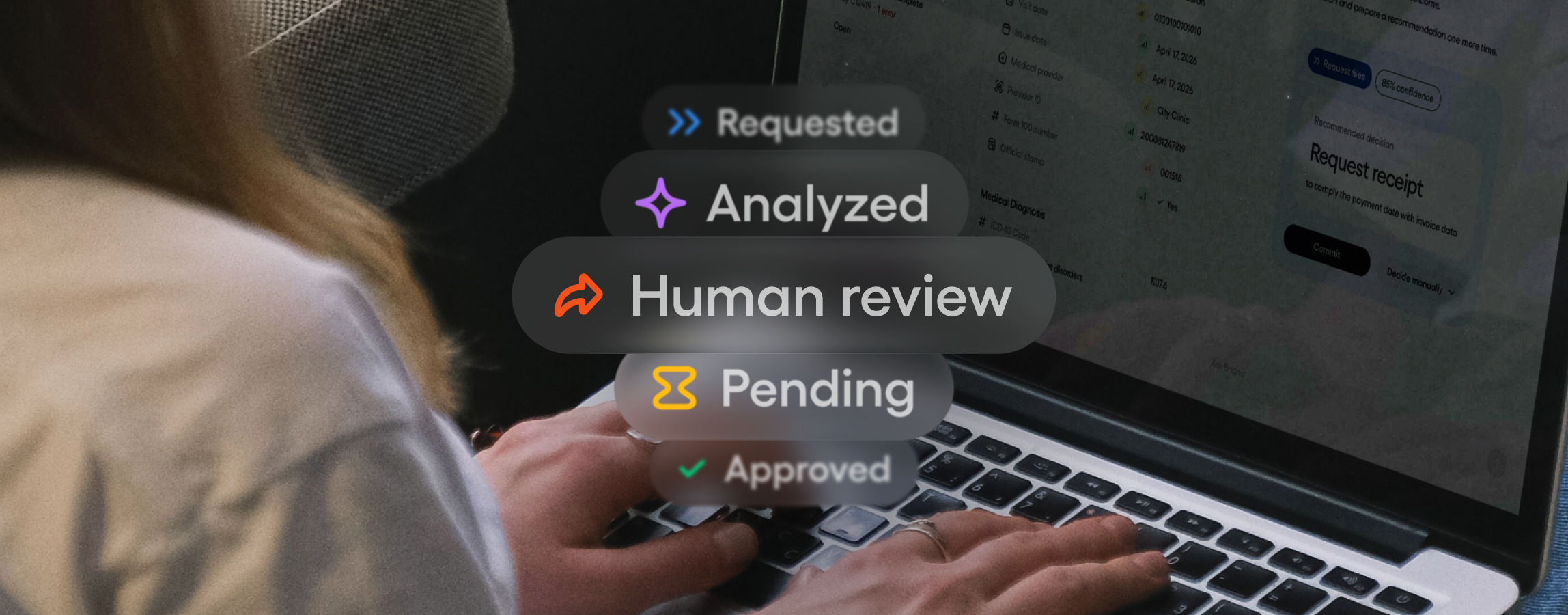
No AI system will handle every situation perfectly. A useful enterprise setup needs a clear path for uncertainty and exceptions. Depending on the workflow, this might mean:
Human oversight should be designed into the workflow rather than added later when something goes wrong.
AI products often rely on a broader technology stack. That can include cloud infrastructure, model providers, hosting services, analytics tools, communication services, and other vendors.
For AI agents data privacy, enterprises should understand which providers are involved and what role they play in processing data. It is also important to know what information is shared with those providers and under what terms. This is especially relevant when the AI system is handling customer, claims, or other sensitive business information.
Security becomes more important as AI moves closer to real business processes. For example, an AI customer service agent may handle customer conversations and access internal information. A claims processing system may work with sensitive documents and structured claim data. A conversation intelligence platform may analyze large volumes of customer interactions.
In each case, the enterprise needs to understand not just what the AI can do, but how the system handles the data and operates within the company's controls.
AI security is not a separate layer that can simply be added around an AI product. For enterprise AI, security needs to be part of the workflow, the architecture, and the way the system is operated. That is what makes AI usable in environments where customer data, operational processes, and regulatory requirements all matter.